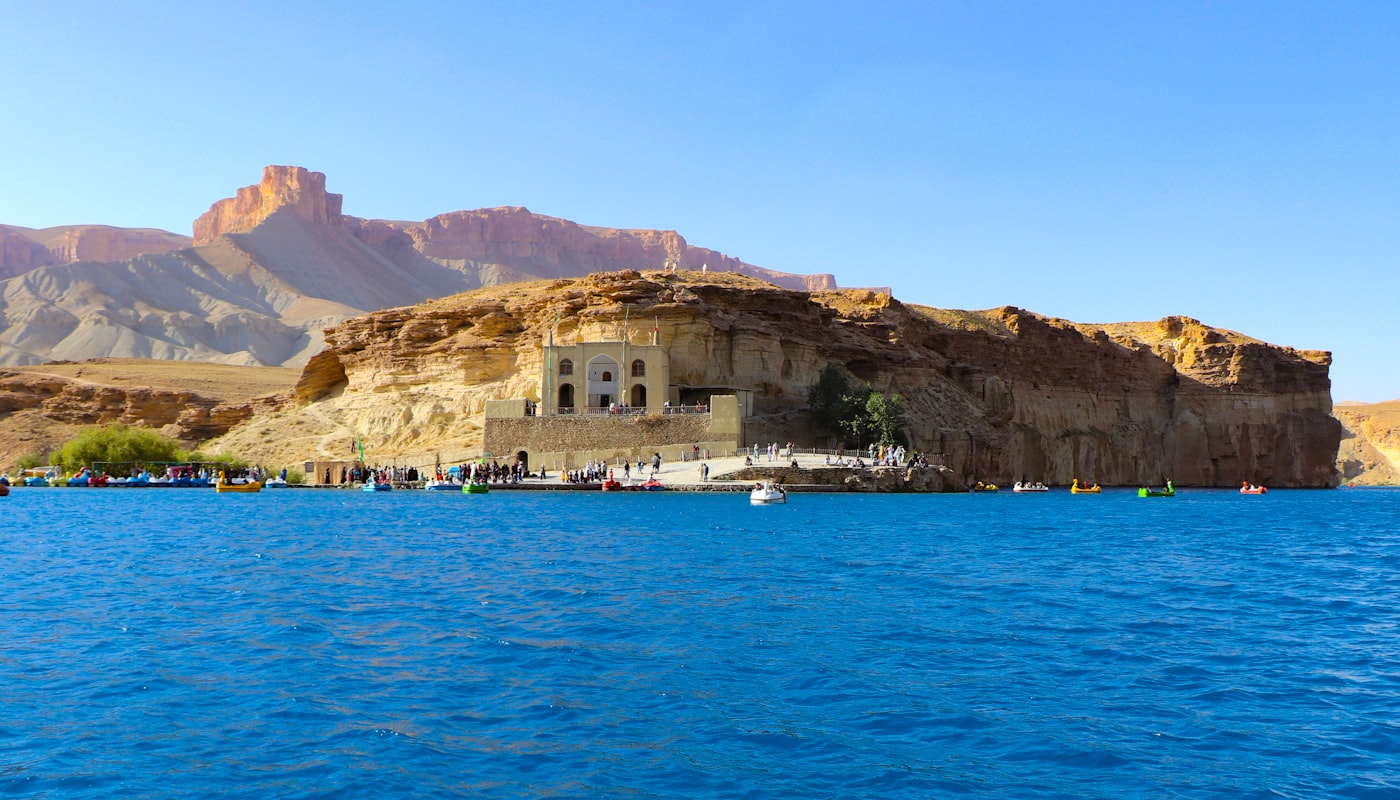
From navigating the bustling streets of Kabul to exploring the ancient blue-tiled mosques of Herat, reliable mobile data is essential for your journey. An Afghanistan eSIM provides instant connectivity the moment you land at Hamid Karzai International Airport, eliminating the need to hunt for a local SIM vendor or risk exorbitant roaming charges from your home carrier.
Whether you're a business traveler with meetings in the capital, a tourist marveling at the Minaret of Jam, or a digital nomad working from a cafe in Mazar-i-Sharif, a prepaid data plan keeps you online for maps, translation, and sharing your experiences. This guide details everything you need to choose the best eSIM for your Afghan adventure.
📱 🔥 Compare & Buy Afghanistan eSIM Plans →
Traveling through this historic crossroads of Central Asia presents unique connectivity challenges. Physical SIM cards require registration and can be difficult to find, while international roaming bills can skyrocket. An embedded SIM revolutionizes how you get online abroad.
An eSIM is a digital profile built into your phone, activated instantly with a QR code. Here’s why it’s the smarter choice for your trip:
Using your regular carrier's roaming in cities like Kandahar or Jalalabad can cost over $10 per megabyte. A dedicated travel eSIM for Afghanistan gives you predictable, prepaid pricing, often saving you 80% or more. You can find plans starting at just a few dollars for a gigabyte, providing total budget control and no bill shocks when you return home.
This technology suits all travelers. Aid workers need reliable comms in the field. Tourists appreciate seamless navigation to sites like the Gardens of Babur. Business professionals value instant email access after landing. All benefit from having a local data connection without the traditional hassles.
Understanding the local mobile landscape ensures you stay connected where it matters most during your travels.
Reputable eSIM providers partner with leading Afghan carriers to offer strong coverage in populated and tourist-frequented areas. You can expect reliable service in:
Coverage in remote mountainous regions or rural villages can be limited or non-existent, as with any mobile service in the country. Always check your provider's coverage map if traveling off main routes.
In urban centers, you'll typically connect to 4G LTE networks, which are perfectly adequate for Google Maps, social media, and video calls on WhatsApp or Zoom. Speeds are generally sufficient for most travel needs. In more remote areas, your connection may drop to 3G, which still supports messaging and basic web browsing.
Most Afghanistan eSIM plans allow tethering, so you can share your mobile data with a laptop or tablet. This is invaluable for remote workers needing to send reports from a hotel in Bamyan or researchers uploading data. Remember, hotspot use consumes data faster, so factor that into your plan selection.
Select a plan based on your itinerary length and how you'll use the internet.
For a brief business trip or a short tour focusing on Kabul's museums and markets, a 1-3 GB plan is usually sufficient. This covers essential navigation, messaging, and light browsing. Many providers offer 7-day validity plans perfect for these shorter stays.
If you're spending a week or two traveling between Herat, Mazar-i-Sharif, and perhaps Bamiyan, a 5-10 GB plan is recommended. This allows for more frequent photo uploads, using translation apps in local markets, and occasional video calls home without constant data anxiety.
For digital nomads, journalists, or those on longer-term assignments, look for larger plans of 10-20 GB or even monthly unlimited options. Some providers offer top-up capabilities, so you can renew your data without buying a completely new eSIM profile for your extended time in the country.
💡 Find Your Perfect Afghanistan Data Plan →
Getting connected is a quick, digital process you can complete from home.
Most modern smartphones support eSIM technology. This includes iPhone models from XS onward, Samsung Galaxy S20 series and newer, Google Pixel 3+, and many others. Crucially, your device must be unlocked from your home carrier.
Select your plan on a comparison site like eSIM Card List. After payment, your unique QR code arrives instantly via email—no shipping required. You can install it immediately or wait until just before your flight.
On iPhone: Go to Settings > Cellular > Add eSIM. Scan the QR code from your email, label the plan (e.g., "Afghanistan Data"), and ensure "Data Roaming" is ON for this line.
On Android: Navigate to Settings > Connections > SIM Manager > Add eSIM. Scan the QR code and follow the on-screen prompts to complete setup and enable mobile data.
Maximize your data allowance and stay secure with these practical strategies.
Your eSIM data will power all your crucial tools. Google Maps uses about 5MB per hour of active navigation. Ride-hailing apps (where available) use minimal data. For communication, apps like WhatsApp and Signal are vital for calls and messages over data.
Your private mobile data connection is more secure than public Wi-Fi. For sensitive tasks like online banking or accessing work emails, always use your eSIM data. Consider using a trusted VPN for an added layer of privacy on any network.
If you're visiting historical sites, navigating local transport, or simply wanting to share photos of the stunning mountain landscapes, an eSIM provides peace of mind. No more wasting half a day in Kabul trying to buy a local SIM.
For those working with NGOs, diplomatic missions, or remote companies, constant connectivity is non-negotiable. An eSIM delivers reliable data for video conferences, cloud access, and coordination, independent of often-unstable local Wi-Fi.
When time is critical, having immediate internet access upon arrival is a professional necessity. An eSIM lets you confirm meetings, file reports, and research on the go from the moment you clear customs.
How quickly does the eSIM activate in Afghanistan?
Activation is near-instant. Once you scan the QR code and your phone connects to a supported local network (like Afghan Wireless or Roshan), your data service begins, usually within minutes of landing.
Can I use my regular WhatsApp number?
Yes. Keep your physical SIM active for SMS/calls. WhatsApp remains tied to that original number, while using your eSIM purely for the internet connection it needs to function.
Is mobile hotspot/tethering supported?
In most cases, yes. You can share your phone's Afghan data connection with a laptop or tablet. Confirm this feature is included with your specific plan before purchasing.
Is the eSIM for data only, or does it include a local number?
Most travel eSIMs for Afghanistan are data-only. You won't get a local Afghan phone number for traditional calls/SMS, but you can make calls over the internet using apps like WhatsApp, Skype, or Zoom.
What if I use all my data before my trip ends?
Depending on your provider, you may be able to purchase a data top-up for your existing eSIM profile. Otherwise, you would need to buy and install a new eSIM plan.
Can I have multiple country eSIMs on my phone?
Yes. Modern phones can store several eSIM profiles. You can install plans for Afghanistan and other destinations in advance, switching the active data line as you travel.
When does the plan validity period start?
The clock typically starts when you first connect to a network in Afghanistan, not when you buy or install the eSIM. Check your provider's specific terms.
How do I know if my phone is compatible?
Check your phone model and ensure it's carrier-unlocked. Most iPhones from XS, Samsung Galaxies from S20, and Google Pixels from 3 support eSIM. Our comparison tool can help verify.
Do I need to take out my home SIM card?
No. You can use both simultaneously in Dual SIM mode. Your home SIM handles calls/texts, while the eSIM provides your Afghan mobile data.
Which provider offers the best eSIM for Afghanistan?
Coverage, price, and data allowances vary between providers like Airalo, Holafly, and Nomad. Use eSIM Card List to compare all available options side-by-side for your specific dates and data needs.
For anyone traveling to Afghanistan, an eSIM is not just a convenience—it's a strategic travel essential. It provides reliable, affordable, and immediate internet access in a country where traditional connectivity options can be challenging. The cost savings versus international roaming are substantial, and the convenience of skipping SIM card logistics is invaluable.
From the moment you need directions in Kabul to uploading photos from the Panjshir Valley, a dedicated data plan keeps you connected safely and efficiently. With flexible options for every trip duration and budget, there's a perfect plan for your adventure.
Ready to ensure seamless connectivity on your trip? Explore all the current eSIM deals for Afghanistan and travel with confidence.
✈️ 🎯 Ready to stay connected?