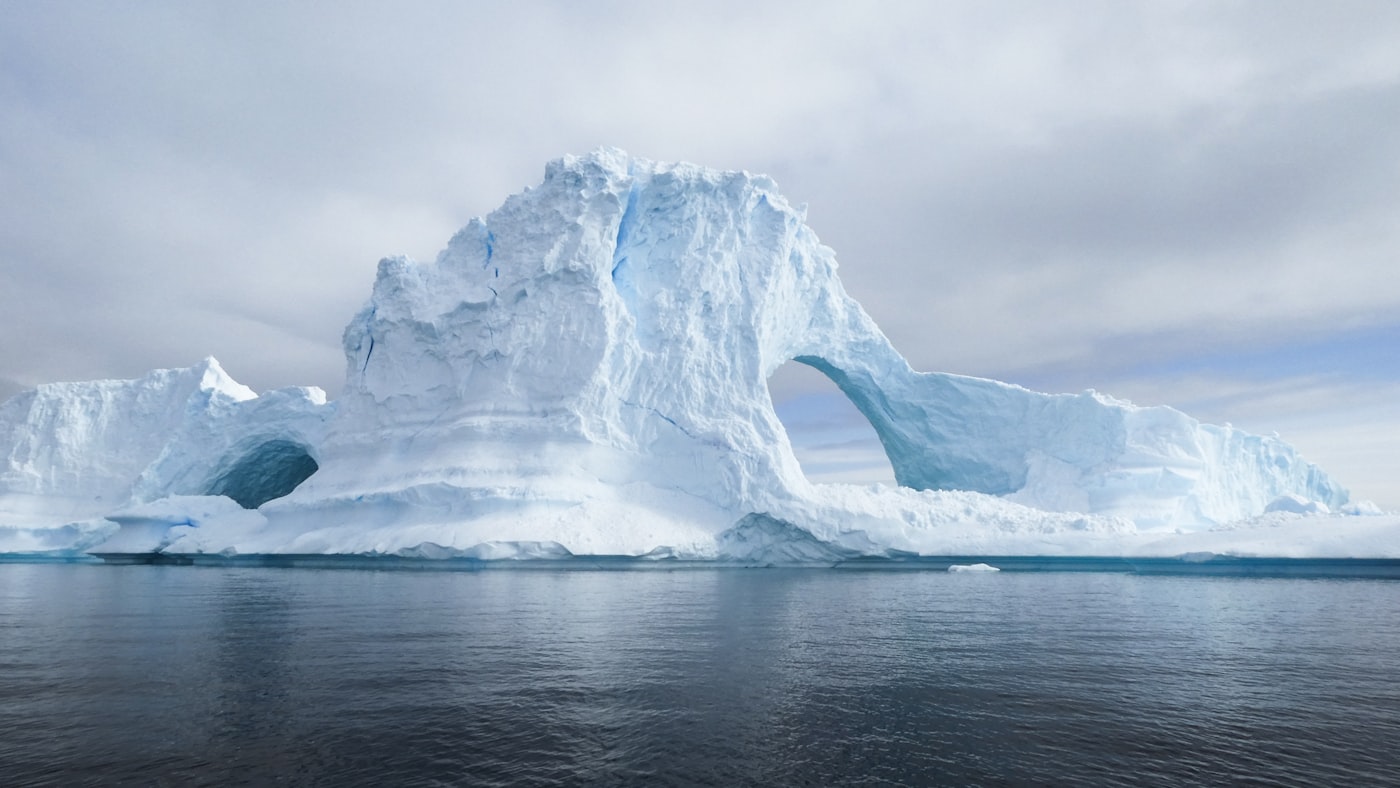
From the towering glaciers of the Antarctic Peninsula to the bustling research hubs like McMurdo Station, a reliable digital lifeline is crucial. A dedicated eSIM for Antarctica provides instant mobile data without the logistical nightmare of sourcing a physical SIM card in the world's most remote wilderness or facing astronomical satellite roaming fees.
Whether you're a researcher heading to Palmer Station, a photographer documenting penguin colonies, or a tourist crossing the Drake Passage, this guide details how to secure the best Antarctica eSIM for your unique journey to the seventh continent.
Navigating the logistical challenges of the Great White South demands modern solutions. A digital eSIM eliminates the need to handle tiny SIM cards in freezing conditions and provides a predictable, prepaid data connection where traditional mobile networks don't exist.
Explorers and scientists are increasingly adopting eSIM technology for their trips to the southernmost continent for several compelling reasons:
Roaming on the ice via traditional carriers can cost hundreds per megabyte. A prepaid Antarctica eSIM gives you complete control over your connectivity budget, allowing you to focus your resources on experiences like kayaking amongst icebergs or visiting historic huts, not on surprise data charges.
This technology is perfect for sharing compressed photos of leopard seals from a Zodiac, for researchers sending field updates from the Dry Valleys, or for expedition staff needing a reliable backup communication channel separate from the ship's shared Wi-Fi.
Mobile service across Antarctica relies entirely on satellite backhaul and localized infrastructure at permanent bases. Coverage is not continuous but is available in specific, high-traffic zones.
Most eSIM providers connect via partners that service key Antarctic locations. Reliable connectivity is typically found:
It's vital to understand that coverage is hyper-local. Once you venture onto the polar plateau or into remote bays, you will be out of range. Plan your communications for when you are near these hubs.
Given the satellite dependency, expect speeds reminiscent of robust 3G or basic 4G/LTE, with higher latency. This is sufficient for messaging, email, and sharing compressed images, but real-time video calls are often impractical. Data is a shared, precious resource, so usage is managed accordingly by local providers.
If your role at a place like the Amundsen-Scott South Pole Station requires tethering, most eSIM plans support hotspot functionality. This allows you to connect a laptop for essential communication, but be vigilant—disable all automatic updates to conserve your satellite data allowance for critical tasks.
Select a plan that aligns with your itinerary's length and your communication needs. Satellite data is valuable, so matching your plan to your actual usage is key.
A compact 500MB to 1GB plan is ideal for short visits, perfect for:
A 1GB to 3GB plan provides a comfortable buffer for a week-long journey. This allows for daily check-ins, occasional social media updates from places like Neko Harbour, and the ability to use messaging apps for coordination with your expedition team.
Those spending a season at a base like Casey or Davis Station should look for larger, renewable plans or providers offering convenient top-up options. This ensures a consistent, personal data link throughout your stay on the ice.
Activation must be completed while you still have fast, reliable internet. Do this in your departure city, not once you're at sea or on the ice.
Ensure your smartphone is eSIM-ready and unlocked:
Carrier unlocking is non-negotiable for using a third-party eSIM profile.
For iPhone Users:
For Android Users:
Maximize your connection and protect your device in the harsh polar environment.
Prioritize apps that work offline. Download maps, expedition guides, and scientific papers beforehand. Use GPS-based navigation apps with pre-loaded regions. For communication, rely on text-based apps over voice or video calls.
Your personal eSIM offers a more secure connection than public satellite Wi-Fi networks on ships or at bases. Protect your phone from the cold—batteries drain rapidly. Keep it in an inner pocket close to your body and use a high-quality power bank.
For travelers ticking off their seventh continent, an eSIM means you can share the moment you set foot on the Antarctic Peninsula without relying on expensive or slow ship Wi-Fi.
Researchers conducting fieldwork or technicians wintering over need a reliable, personal data line as a backup to institutional networks for both work and personal wellbeing.
Journalists and creators documenting climate change or wildlife require a method to send regular dispatches and updates to editors and followers across the globe.
Where exactly does the signal work?
Coverage is concentrated around permanent research stations, major tourist landing sites, and key logistical hubs. It does not blanket the continent.
Will my WhatsApp work on the ice?
Yes, WhatsApp and similar messaging apps are ideal for the high-latency, low-bandwidth conditions you'll encounter near Antarctic bases.
Can I tether my laptop?
Tethering is usually supported, but exercise extreme caution. A single operating system update can consume an entire month's data allowance in minutes.
Is the connection reliable?
Reliability is high within coverage zones but is subject to satellite visibility, extreme weather events, and local network maintenance.
What happens if I run out of data?
You would need to purchase a new plan or top-up, which requires an internet connection. It's best to estimate generously and buy enough data upfront.
Can I make traditional phone calls?
These are typically data-only plans. Use VoIP apps like WhatsApp calling when conditions allow, but text-based communication is most reliable.
How long does the battery last in the cold?
Battery life can be reduced by 50% or more in freezing temperatures. Keep your device warm and carry multiple external battery packs.
Is my phone compatible?
Compatibility requires an eSIM-capable device that is also network-unlocked. Check your model's specifications before purchasing.
Should I set it up at home?
Absolutely. Complete the entire purchase, download, and installation process while you have fast, unlimited Wi-Fi in your departure city.
Which network will I use?
Your eSIM will connect via global satellite service providers that have agreements to operate equipment at various Antarctic locations.
An eSIM transforms how you stay connected during an Antarctic expedition. It provides a secure, cost-effective, and incredibly convenient link for safety, work, and sharing the awe of the world's last great wilderness.
From the first sighting of a humpback whale in the Lemaire Channel to your final farewell to the ice, travel with the confidence of a reliable connection in your pocket.
'Great things are done when men and mountains meet.' - William Blake. A fitting sentiment for the awe-inspiring scale of the Antarctic landscape.
✈️ 🎯 Ready to stay connected?