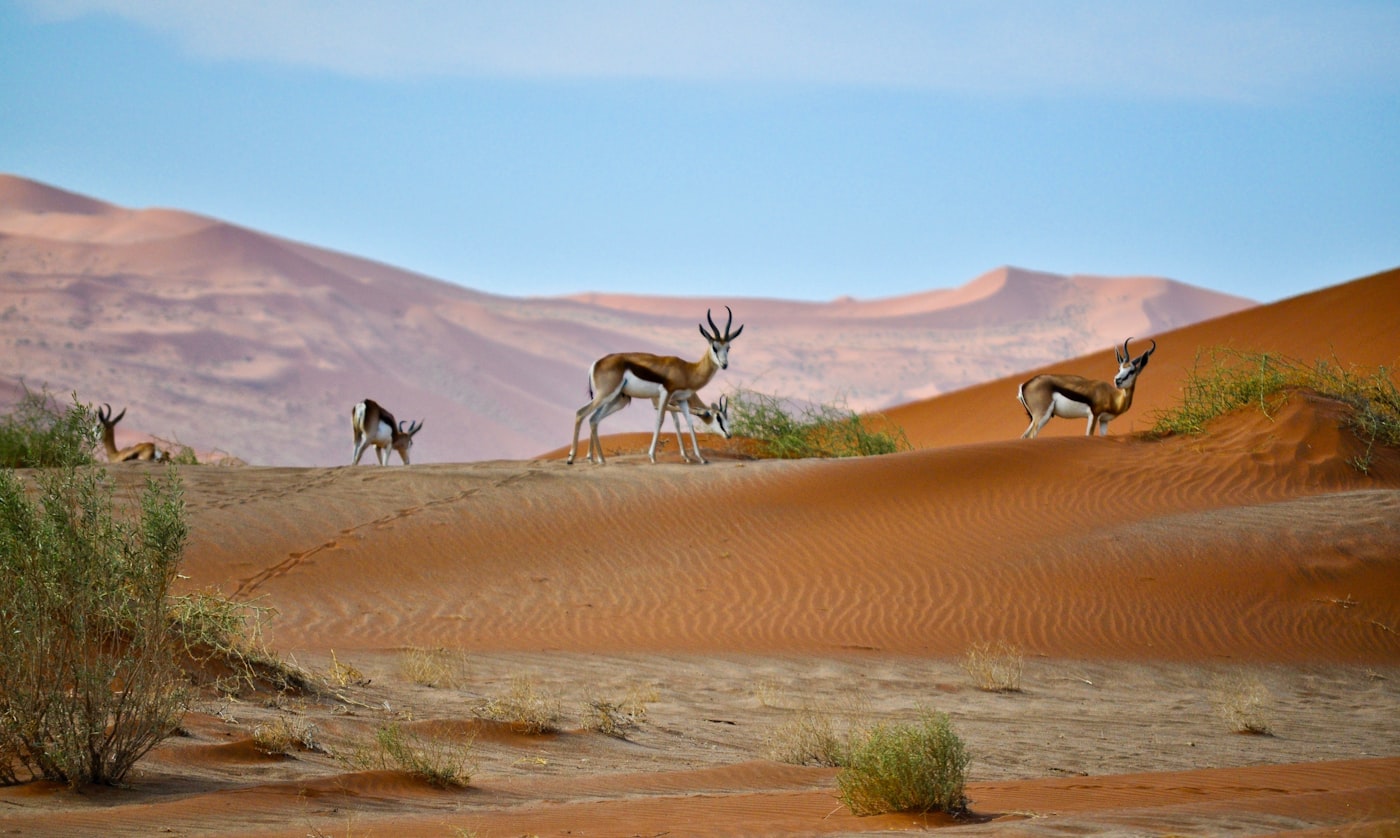
From navigating the vibrant streets of Windhoek to tracking wildlife in Etosha National Park, a reliable internet connection transforms your Namibian adventure. A dedicated Namibia eSIM provides instant, affordable mobile data the moment you land at Hosea Kutako International Airport, eliminating the hunt for a local SIM vendor and protecting you from exorbitant roaming charges.
Whether you're a photographer capturing the shifting sands of Sossusvlei, a business traveler with meetings in the capital, or a digital nomad working from Swakopmund, this guide helps you choose the perfect data plan for the Land of the Brave.
Coordinating a safari lodge pickup or finding the latest waterhole reports in Etosha requires a steady data link. A digital eSIM activates before you even collect your luggage, giving you a crucial advantage in a country where distances are vast and connectivity points can be sparse.
Modern travelers exploring the Skeleton Coast or the Fish River Canyon choose eSIMs for undeniable practicality:
International roaming fees in Namibia can accumulate shockingly fast, especially for data-heavy tasks like uploading safari photos. A prepaid eSIM offers clear, upfront pricing with local rates, so you can share that perfect shot of a desert elephant without financial anxiety.
You gain complete control over your communications budget, freeing you to focus on the experience, not the bill.
For self-drive tourists navigating to Deadvlei, a data connection means live maps and emergency access. Conservation researchers in remote field camps rely on it for data transmission. Professionals can join video calls from a café in Lüderitz with a dependable link.
Namibia's mobile infrastructure is robust in populated and key tourist corridors, supporting the country's thriving adventure tourism industry.
Leading eSIM providers partner with networks like MTC and TN Mobile to ensure strong signals in critical areas:
While coverage is excellent in these zones, it naturally becomes intermittent in the deep wilderness of the Kaokoveld or the remote stretches of the Kalahari. Always download offline Google Maps for your intended route before departure.
In urban centers like Windhoek and Oshakati, you'll experience fast 4G speeds suitable for video calls, social media, and streaming. 5G deployment is in early stages and not yet a factor for most travelers.
As you venture into rural areas and national parks, networks often fall back to stable 3G, which is perfectly adequate for messaging, email, and web browsing—the essentials for a safari.
Most Namibia eSIM plans support personal hotspot (tethering). This lets you create a Wi-Fi zone for your laptop or tablet, ideal for editing photos in your lodge or handling remote work from a guesthouse in Tsumeb.
Remember that tethering consumes data more quickly; monitor your usage if you're transferring large files or streaming.
Match your data allowance to your itinerary and online habits for a seamless experience.
For a brief business trip or a weekend in Windhoek, a 1-2GB plan is typically sufficient. This covers:
For a week exploring the highlights—from the dunes to Etosha—a 3GB to 7GB plan is recommended. This supports daily navigation with apps like Maps.me, regular photo uploads to Instagram, and using essential travel apps.
If your evenings involve video streaming at your lodge, opt for a plan at the higher end of this range.
Digital nomads basing themselves in Swakopmund or travelers on a month-long overland journey should consider 10GB+ plans. These accommodate frequent video conferencing, large file transfers for work, and constant connectivity for trip planning.
Many providers offer easy top-up options, so you can extend your data if your journey through this captivating country gets extended.
The activation process is straightforward and completely digital.
Ensure your smartphone supports eSIM technology and is unlocked:
On iPhone (iOS):
On Android (Samsung, Pixel, etc.):
Get the most from your data with these savvy travel strategies.
Your data powers crucial travel tools. Use navigation apps like Maps.me or Google Maps for self-driving. WhatsApp is essential for communicating with lodges and guides. Download a bird or wildlife guide app. Use the Windy app for accurate weather forecasts before heading into the desert.
Your eSIM provides a more secure, private connection than public Wi-Fi networks at airports or hotels. For added security, especially when using online banking or accessing work servers, consider using a reputable VPN over your eSIM data connection.
Navigating the gravel roads of Damaraland or finding your pre-booked campsite in Etosha is stress-free with live maps and the ability to call for roadside assistance if needed.
Instantly back up your shots of the Quiver Tree Forest or the flamingos at Walvis Bay to the cloud, and share your portfolio with the world from the heart of the desert.
Maintain productivity with reliable video conferencing from Windhoek's business hubs or a quiet guesthouse in Otjiwarongo, ensuring you're never offline during critical work hours.
How do I activate my Namibian eSIM?
Activation is digital. After purchase, scan the emailed QR code in your phone's cellular settings menu. The plan will install and activate automatically when you connect to a supported network in Namibia.
Can I keep my original phone number active?
Absolutely. Your eSIM provides data only. Your physical SIM (or other eSIM) can remain active for calls and SMS, allowing you to use iMessage, WhatsApp, and receive 2FA codes on your regular number.
Does the eSIM allow mobile hotspot/tethering?
Yes, the vast majority of travel eSIM plans for Namibia include personal hotspot functionality, letting you share your data connection with other devices.
Is the eSIM for data only, or can I make local calls?
Most travel-focused eSIMs are data-only. For calls and SMS, you can use internet-based services like WhatsApp Call, FaceTime Audio, Skype, or Google Voice over your data connection.
What if I use all my data before my trip ends?
You can usually purchase a data top-up or a new eSIM plan online from your provider, provided you still have some connectivity to complete the purchase.
Can I use the same eSIM in South Africa or Botswana?
Most plans are country-specific for Namibia. If your itinerary includes neighboring countries, look for a regional "Southern Africa" eSIM plan that covers multiple nations.
How long is the eSIM valid after activation?
Validity periods vary (e.g., 7, 10, 15, 30 days) and typically start once you first connect to a local network in Namibia, not at the moment of purchase.
How do I know if my phone is eSIM compatible?
The surest way is to check your phone's settings for an "Add eSIM" or "Add Cellular Plan" option. Most modern, unlocked smartphones from the last 4-5 years support it.
Do I need to remove my home SIM card?
No. You can use both SIMs simultaneously. Simply configure your phone to use the Namibia eSIM for mobile data while keeping your home SIM active in the background.
Which local network will my eSIM use?
Providers typically partner with the strongest local carriers, such as MTC (the largest network) or TN Mobile, to give you the best possible coverage across your journey.
An eSIM is the definitive upgrade for staying online in Namibia. It offers unparalleled convenience, significant cost savings over roaming, and the peace of mind that comes with being connected from the moment your adventure begins.
From the otherworldly silence of the Namib Desert to the bustling energy of a Windhoek market, explore this magnificent country with the digital freedom to navigate, share, and work without limits.
Discover ancient landscapes with a connection that's thoroughly modern.
✈️ 🎯 Ready to explore Namibia connected?