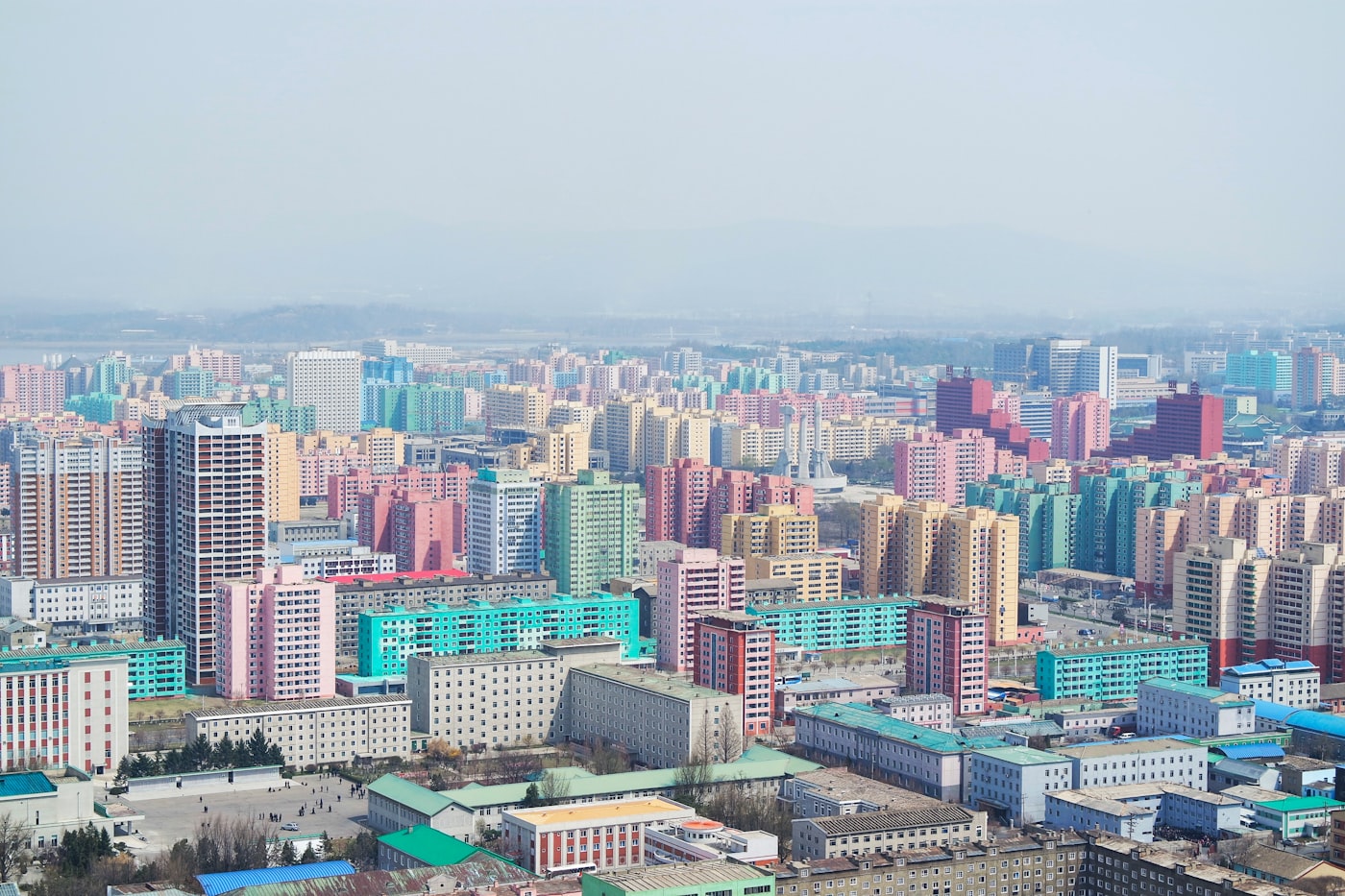
From the grand monuments of Pyongyang to the tense quiet of the DMZ, a reliable data connection is a modern traveler's essential tool. A dedicated North Korea eSIM provides instant mobile internet the moment you land at Pyongyang Sunan International Airport, bypassing the complexities of local SIM registration and shielding you from exorbitant international roaming fees. Whether you're a journalist on assignment, a researcher documenting history, or part of a tightly-managed tour group, staying online is no longer a luxury—it's a strategic advantage.
This guide details how to secure the best eSIM for North Korea, ensuring you can navigate the capital's wide boulevards, translate signage, and maintain a crucial link to the outside world throughout your unique journey.
📱 🔥 Get Your North Korea eSIM Instantly →
Finding your hotel near Kim Il-sung Square or confirming a meeting location becomes seamless with live maps. An eSIM activates before you even board your connecting flight from Beijing, giving you a functional local number and data plan from the moment you clear customs under official supervision.
For visitors to this highly controlled destination, the benefits are particularly compelling:
Roaming charges for the Democratic People's Republic of Korea are notoriously steep and unpredictable. A prepaid eSIM plan gives you transparent, upfront pricing and local-rate data, allowing you to share photos from the Arch of Triumph or the Ryugyong Hotel without financial anxiety.
You maintain full budget control, paying only for the data you need to document your travels through one of the world's most unique nations.
A steady data link is vital for journalists verifying facts, academics accessing reference materials, and photographers uploading work. Even within the structured framework of a tour, connectivity allows for efficient coordination and provides a layer of digital security.
Mobile infrastructure is concentrated in urban and key administrative areas, designed to support the nation's specific needs.
Leading eSIM providers partner with official carriers to ensure service in permitted zones:
Be prepared for limited or no service in remote rural areas and certain military zones, which are typically off-limits to visitors. Always download essential maps and translation packs before venturing out.
In Pyongyang's core districts, you'll typically experience stable 4G LTE speeds, sufficient for messaging apps, email, and basic web browsing—the primary needs of most travelers here. High-bandwidth activities like video streaming are generally impractical.
In other cities and on routes between them, the network may default to 3G speeds, which support text-based communication and slow-loading web pages.
Most North Korea eSIM data plans support personal hotspot (tethering). This allows you to share your phone's connection with a laptop or tablet, enabling you to work on notes or transfer photos from your hotel room. Monitor your data usage closely, as tethering can consume your allowance quickly.
Select a plan based on your trip length and expected online activity.
For a brief, guided tour of Pyongyang's highlights, a 1-2GB plan is usually adequate. This covers:
If your itinerary includes multiple cities like Pyongyang, Kaesong, and the DMZ, opt for a 3-5GB plan. This provides a comfortable buffer for daily navigation, more frequent communication, and backing up a larger photo library from sites like the Sinchon Museum.
For those on longer assignments, 10GB or larger monthly plans are ideal. These support the consistent data needs of remote work, frequent communication, and regular use of research tools. Look for providers that allow easy top-ups if your stay is prolonged.
💡 Compare All North Korea eSIM Plans →
The process is fully digital and can be completed from anywhere with an internet connection.
Most modern smartphones support eSIM technology. Key compatible models include:
Your device must be unlocked from your home carrier to install a third-party eSIM.
For iPhone (iOS):
For Android (Samsung/Pixel):
Smart data management is key to a smooth experience.
Your data will power essential travel tools. Have translation apps (like Google Translate with offline Korean packs) ready for signs and menus. A reliable VPN is crucial for accessing certain international websites and services. Use a secure messaging app as your primary contact method with your guide and fellow travelers.
Your private eSIM connection is inherently more secure than any public Wi-Fi network you might encounter. For accessing email, financial services, or sensitive work documents, always use your mobile data. A reputable VPN provides an additional layer of encryption for all your online activity.
For professionals on assignment, a reliable data connection is non-negotiable for research, communication with editors, and secure file transfer, even within the constraints of supervised travel.
Scholars visiting museums, archives, and historical sites need to access reference materials, translate documents, and maintain notes digitally. An eSIM provides the consistent link required for productive fieldwork.
Whether on a rare sports exchange, a cultural tour, or official business, the ability to coordinate schedules, translate in real-time, and maintain a discreet line of communication is invaluable.
How do I activate my North Korea eSIM?
Activation is done by scanning the QR code sent to your email in your phone's cellular settings menu. It's best to do this before you depart for your trip.
Will my WhatsApp number work with an eSIM?
Yes. WhatsApp uses your phone number for registration but operates over data. As long as your eSIM provides data, WhatsApp will function normally.
Can I use mobile hotspot/tethering?
Most data plans for North Korea include tethering functionality, allowing you to share your connection with a laptop or other device.
Is the eSIM for data only, or does it include calls/SMS?
Travel eSIMs for North Korea are typically data-only. You can make calls and send texts using internet-based apps like WhatsApp, Signal, or Skype over your data connection.
What if I use all my data before my trip ends?
Many providers allow you to purchase a data top-up online, provided you still have an active connection to do so.
Can I use the same eSIM in China or South Korea after?
No, these are country-specific plans. You would need a separate eSIM or a regional Asia plan that explicitly includes those countries.
How long is the eSIM valid after activation?
Validity periods vary by plan, typically ranging from 7 to 30 days, starting from the first time you connect to a supported network in North Korea.
How do I know if my phone supports eSIM?
Check your phone's settings for an "Add eSIM" or "Add cellular plan" option. Most phones released in the last 4-5 years are compatible if unlocked.
Do I need to take out my physical home SIM card?
No. You can use both SIMs simultaneously (Dual SIM). Simply set the North Korea eSIM as your default for mobile data.
Which local network will my eSIM use?
Providers typically connect you to the Koryolink network, the primary mobile operator in the DPRK, which offers the most extensive coverage for visitors.
For the unique challenges of travel within the Democratic People's Republic of Korea, an eSIM is arguably the most practical and secure connectivity solution available. It provides a predictable cost, eliminates logistical hassles, and delivers a crucial digital lifeline from the moment you arrive.
It transforms your smartphone into a more powerful tool for navigation, translation, documentation, and discreet communication throughout your journey from Pyongyang to the border.
In a destination where information is carefully managed, your own reliable data connection provides a layer of autonomy and security that is worth its weight in gold.
✈️ 🎯 Ready for a connected journey?