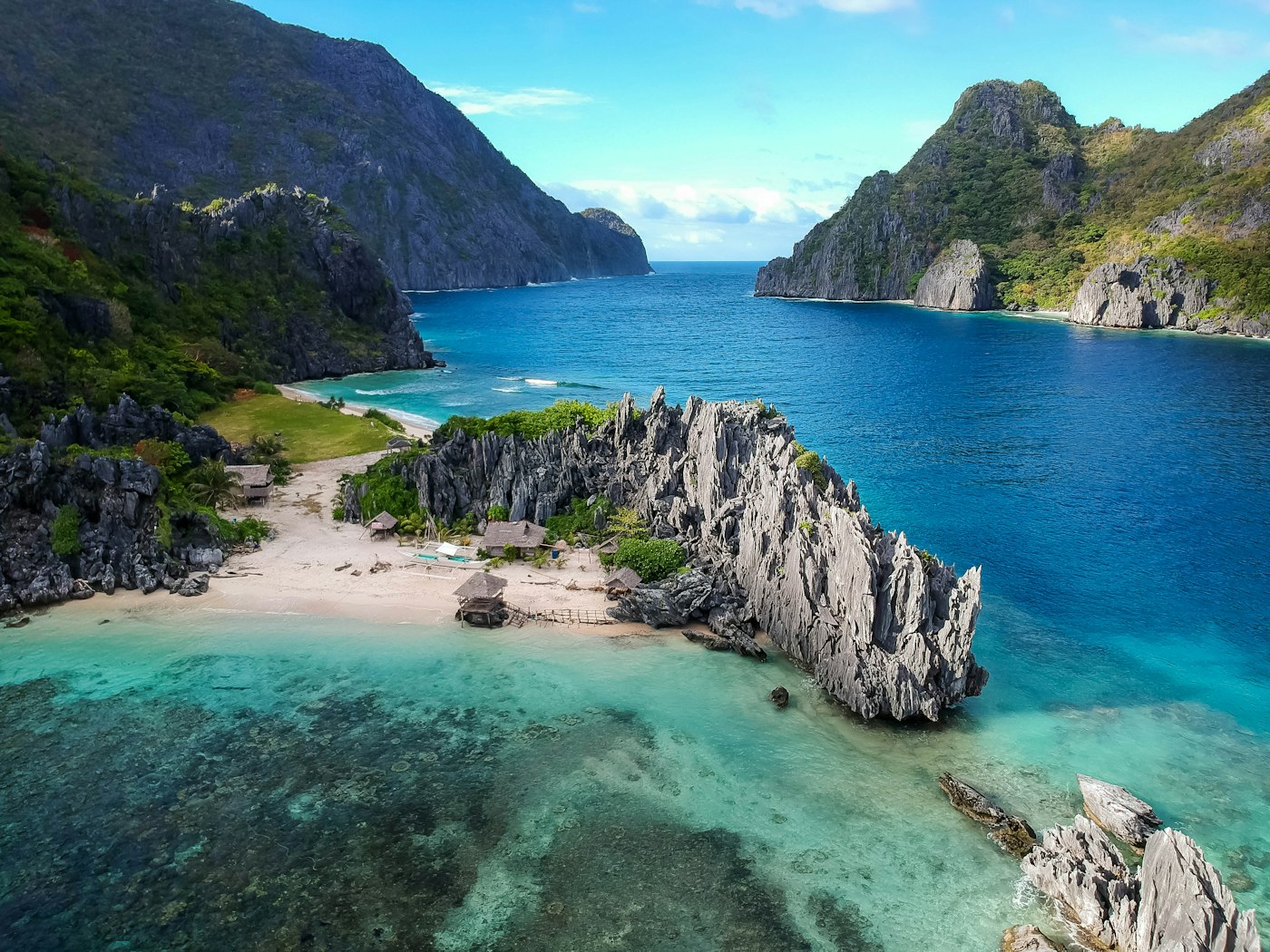
Imagine stepping off the plane at NAIA and instantly having local 4G data to book a Grab, message your El Nido tour guide, or navigate to your hotel in Makati. A Philippines eSIM makes this a reality, eliminating the hunt for a physical SIM and protecting you from shocking roaming fees. Across this stunning archipelago—from the turquoise lagoons of Palawan to the bustling streets of Cebu—reliable mobile data is your key to a smoother adventure.
Whether you're island-hopping for two weeks or settling into a digital nomad hub in Siargao, this guide will help you choose the perfect data plan for your journey through the Pearl of the Orient Seas.
📱 🔥 Compare & Get Your Philippines eSIM →
Navigating 7,000+ islands requires flexibility that old-school SIM cards can't match. An embedded SIM is a game-changer, offering instant connectivity the moment your flight touches down, whether you're arriving in Manila, Cebu, or Clark.
Why waste vacation time at a Globe or Smart kiosk? With an eSIM, your connection is ready before you even pack your bags. The advantages are clear:
Carrier roaming can turn a dream vacation into a financial nightmare. A single day of using maps and social media could cost over $50. A prepaid eSIM for the Philippines gives you upfront, affordable pricing, often saving you 80% or more. Plans start at just a few dollars, putting you in complete control of your travel budget.
From backpackers hiking the Banaue Rice Terraces to executives closing deals in Bonifacio Global City, a travel eSIM delivers. Tourists get hassle-free navigation, digital nomads gain reliable remote work data, and business travelers maintain productivity from the moment they land.
Wondering about signal strength from Manila to the remote islands? Most eSIM providers partner with the nation's top carriers to deliver extensive coverage.
Expect excellent connectivity in urban centers and popular spots, powered by networks like Globe and Smart:
Coverage in very remote islands or deep within mountain regions like Sagada can be intermittent. Always check your provider's map if your itinerary ventures far off-grid.
In cities, 4G LTE speeds are plentiful for browsing, social media, and video calls. Select areas in Manila and Cebu even offer 5G for lightning-fast streaming. In more rural locales, your connection may step down to 3G, which is still sufficient for messaging and basic navigation apps.
Need internet on your laptop during a ferry to Coron? Most Philippines eSIM plans support hotspot/tethering, letting you share your phone's data with other devices. Just remember, tethering uses data faster, so factor that into your plan choice.
Your ideal data package depends on your trip length and how you'll use your phone. Here's a tailored breakdown.
For a long weekend in Manila or a quick business trip, a 1-2GB plan is usually perfect. This covers:
A week-long journey hopping from Cebu to Palawan demands more data. Moderate users should consider 3-5GB. If you plan on frequent video calls, live streaming, or heavy photo uploading, look at 5-10GB plans. Uploading videos from your whale shark encounter in Oslob can consume data quickly!
Digital nomads basing themselves in Siargao or entrepreneurs on a month-long business tour need substantial data. Look for plans offering 10GB to 20GB, or even unlimited options. Some providers offer renewable plans, allowing you to top up seamlessly without buying a new eSIM profile.
💡 Find Your Perfect Philippines Data Plan →
Getting online is a straightforward process. Follow these steps to ensure a seamless connection.
Most modern, unlocked smartphones support eSIM technology. This includes:
Crucial: Your device must be carrier-unlocked. Contact your home provider if you're unsure.
The buying process is quick and entirely online:
For iPhone (iOS):
For Android (Samsung, Pixel, etc.):
Make every gigabyte count with these practical strategies for traveling the islands.
Your eSIM data works with all your essential apps. Google Maps uses about 5-10MB per hour of navigation. Ride-hailing apps like Grab use minimal data. Browsing social media may use 50-100MB per hour, while a standard-quality video call on Zoom or WhatsApp can consume 300-500MB per hour.
Your mobile data connection is more secure than public Wi-Fi networks. For sensitive tasks like online banking or accessing work emails, always prefer your eSIM data over hotel or cafe Wi-Fi. Using a VPN adds an extra layer of privacy, especially for remote workers.
If your goal is to explore the Chocolate Hills, snorkel in Coron, or relax on Boracay's sand, an eSIM removes connectivity stress. No more lost time or confusion—just instant access to maps, translation apps, and your camera roll.
For those working from a cafe in Makati or a beachfront villa in Siargao, reliable internet is non-negotiable. An eSIM provides a dedicated, fast data connection for video conferences, cloud uploads, and client communication, independent of spotty public Wi-Fi.
Professionals visiting for meetings in the financial districts of Manila or Cebu need to hit the ground running. An eSIM delivers immediate connectivity for emails, last-minute confirmations, and navigating to corporate offices, maximizing productivity from touchdown.
How quickly does the eSIM activate?
Typically within 2-5 minutes of scanning your QR code. You can connect to local networks like Globe or Smart instantly, whether you activate from home or after landing at Clark Airport.
Can I use my regular WhatsApp number?
Absolutely. WhatsApp is linked to your home number. Keep your physical SIM active for SMS/calls, and use the eSIM for data. Your chats will work normally throughout your trip.
Is mobile hotspot/tethering allowed?
Yes, most plans support it. This is ideal for sharing your connection with a laptop while working from a cafe in El Nido or a co-working space in BGC.
Can I make traditional phone calls with an eSIM?
Most travel eSIMs for the Philippines are data-only. For calls, use data-based apps like WhatsApp, Messenger, Viber, or Skype over your connection.
What if I use all my data early?
You can usually purchase a top-up online. Some providers offer rechargeable eSIMs, allowing you to add more gigabytes without installing a new profile as you travel from Davao to Siargao.
Can I store multiple eSIMs on my phone?
Yes. Modern phones can store several eSIM profiles. You could keep a Philippines plan and a separate plan for Singapore or Thailand if you're continuing your journey across Southeast Asia.
How long is the eSIM plan valid?
Validity varies, commonly 7, 14, or 30 days, aligning perfectly with a typical island-hopping itinerary or a month-long remote work stint.
How do I check my phone's compatibility?
Ensure your device is unlocked and supports eSIM technology. Most phones from 2018 onward do, and they should support key Philippine network bands (like 2100MHz and 700MHz).
Should I take out my physical SIM card?
No. The recommended setup is dual-SIM: keep your home SIM in the slot for calls/SMS, and use the eSIM exclusively for mobile data. This way you receive important verification texts.
Which eSIM provider is the best for the Philippines?
Several reputable providers offer excellent coverage via local partners Globe and Smart. Prices, data allowances, and validity periods differ. We recommend comparing all options on eSIM Card List to find the best value for your specific travel needs.
For anyone journeying to the Philippines, an eSIM isn't just convenient—it's a strategic travel upgrade. It delivers peace of mind, significant cost savings over roaming, and the freedom to connect instantly from Manila to the most remote paradise island. The digital activation is simple, the coverage is robust where you need it most, and the value is undeniable.
From a light data plan for a short vacation to a high-capacity package for remote work, there's a perfect eSIM waiting for your Philippine adventure. Ditch the outdated hassle of physical SIMs and unlock a smoother, more connected travel experience.
✈️ 🎯 Ready to explore the Philippines, connected?