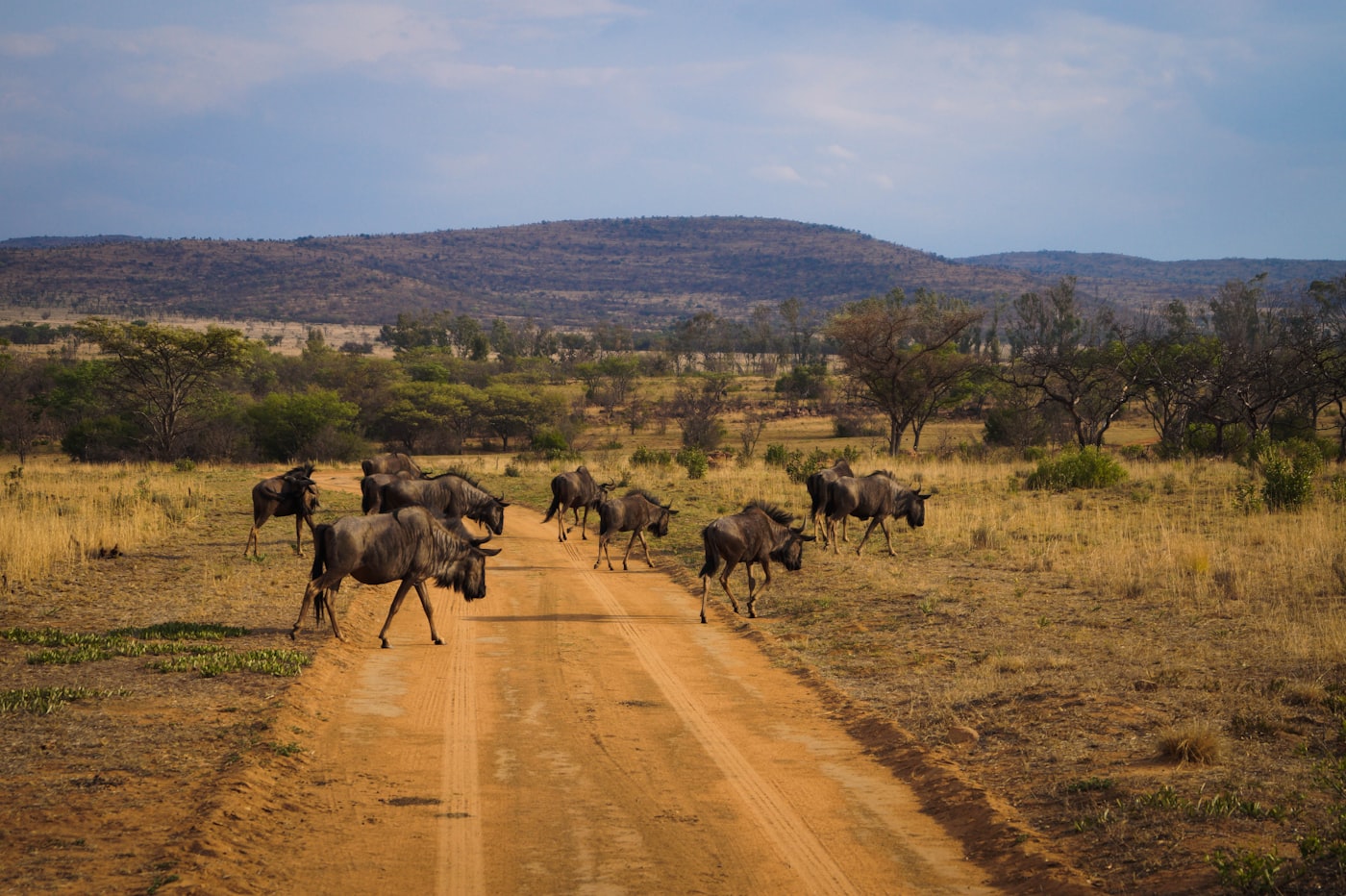
From navigating the bustling markets of Juba to tracking wildlife in Boma National Park, reliable mobile data transforms your journey through the world's newest nation. A South Sudan eSIM delivers instant connectivity the moment your plane touches down at Juba International Airport, eliminating the hunt for a physical SIM card and shielding you from exorbitant roaming charges.
Whether you're a consultant on assignment in the capital, a humanitarian worker traveling to Wau, or an intrepid tourist exploring the White Nile's banks, this guide will help you find the perfect data plan for your adventure.
📱 🔥 Compare & Activate Your South Sudan eSIM →
Connectivity in South Sudan isn't just about convenience—it's a crucial tool for navigation, safety, and logistics. Traditional SIM cards require finding a vendor, presenting documentation, and fiddling with a tiny plastic chip. An embedded SIM digitizes this entire process, saving you time and stress.
Here’s how a digital eSIM outshines old-fashioned options for travel here:
Using your home carrier's roaming in East Africa can be financially devastating. A single day of moderate use could exceed $100. A dedicated South Sudan eSIM plan provides the same service for a fraction of the cost, with clear, upfront pricing starting at just a few dollars for a gigabyte of data.
This technology is a game-changer whether you're a tourist photographing the Sudd wetlands, a business professional needing video calls in Juba's hotels, or a digital nomad basing yourself in the region. Reliable, affordable data is the common thread for a successful trip.
Understanding the connectivity landscape helps set the right expectations for your journey across this vast country.
eSIM providers leverage partnerships with major local operators to offer robust coverage where you're most likely to be:
In Juba and other urban hubs, 4G speeds are sufficient for Google Maps, social media, email, and standard-quality video calls. As you travel to more regional areas, service may drop to 3G, which still supports messaging and basic web browsing. Always download offline maps for critical navigation legs.
Most eSIM plans for this destination include tethering permissions. This allows you to share your phone's data connection with a laptop or tablet—incredibly useful for remote work from your Juba accommodation or planning the next day's itinerary. Remember, hotspot use consumes data faster.
Select a plan that matches your trip duration and how you'll use your phone.
For a few days focused on Juba, a 1-3 GB plan is usually ample for:
A journey combining Juba with a visit to a national park or another town calls for more data. A 5-10 GB plan provides a comfortable buffer for:
For month-long assignments, humanitarian postings, or deep exploration, look for larger plans of 10-20 GB or those with renewable top-up options. This ensures you can handle video conferences, large file transfers, and constant navigation without worry.
💡 Find Your Ideal South Sudan Data Plan →
Getting online takes just a few minutes if you follow these steps.
Most modern, unlocked smartphones support eSIM technology. This includes:
Critical: Your device must be network-unlocked. Contact your home carrier if unsure.
For iPhone Users (iOS):
For Android Users:
Smart habits ensure your data lasts throughout your travels.
Your eSIM data will power all your crucial tools: navigation apps (~5-10MB/hour), messaging like WhatsApp and Signal, translation apps, and local ride-hailing services if available. For video calls, remember that platforms like Zoom can use 300-500MB per hour.
Your private eSIM connection is far more secure than public Wi-Fi networks in hotels or cafes. For accessing sensitive accounts (email, banking), always prefer your mobile data. Consider using a reputable VPN for an added layer of security on all networks.
For those visiting national parks, cultural sites, or traveling the Nile, an eSIM provides the freedom to navigate independently, share experiences in real-time, and manage bookings without relying on sporadic Wi-Fi.
Time is critical. Arriving with immediate access to email, maps, and translation tools allows you to move seamlessly from the airport to meetings in Juba's commercial hubs, maintaining productivity from day one.
If you're stationed in the country for weeks or months, a substantial eSIM data plan offers a reliable primary or backup internet source, crucial for research, communication, and maintaining workflow outside of office settings.
How quickly does the eSIM activate after purchase?
Your QR code is delivered via email within minutes. Once scanned in your phone settings, you'll connect to local networks like MTN or Zain almost instantly, often before you even board your flight.
Can I use my regular WhatsApp number?
Yes. WhatsApp remains linked to your home number. Keep your physical SIM active for SMS/calls, and use the eSIM for data. Your chats and contacts will work normally.
Is mobile hotspot (tethering) allowed?
Most plans for South Sudan include tethering, letting you share data with a laptop or tablet—ideal for work from your hotel or coordinating group travel.
Are these eSIMs data-only, or do they include calls?
The majority are data-focused plans. You make calls using internet-based apps like WhatsApp, Signal, or Zoom over your data connection, which is far cheaper than traditional international calling.
What if I use all my data before my trip ends?
Many providers allow you to easily purchase a top-up online. Some offer rechargeable eSIM profiles, so you can add more data without installing a new QR code.
Can I store an eSIM for South Sudan and another country?
Modern smartphones can store multiple eSIM profiles. This is perfect if your travels also include Kenya, Uganda, or Ethiopia—you can switch plans digitally.
What's the typical validity period for a plan?
Plans commonly last 7, 14, or 30 days from activation. Choose one that covers your entire stay, from your arrival in Juba to your departure.
How do I check my phone's eSIM compatibility?
Look up your specific model on the manufacturer's website. Generally, unlocked iPhones from 2018 (XS/XR), Samsung Galaxies from S20, and Google Pixels from Pixel 3 are compatible.
Should I take out my home SIM card?
No. The best setup is dual-SIM: keep your physical SIM in the slot for calls/SMS, and use the eSIM for all data. This way, you stay reachable on both numbers.
Which provider offers the best coverage in South Sudan?
Top eSIM providers partner with the nation's leading carriers to ensure the widest possible coverage. For the latest plans, prices, and network info, comparing options on eSIM Card List is your best bet.
For virtually any traveler heading to this unique destination, the answer is a resounding yes. The convenience of landing with ready-to-use data, the significant cost savings over traditional roaming, and the elimination of logistical hassles make an eSIM an indispensable part of your travel toolkit.
It provides the digital freedom to focus on what matters: immersing yourself in the vibrant culture of Juba, witnessing the incredible wildlife, and navigating your journey with confidence.
Ready to ensure seamless connectivity for your South Sudanese adventure? Explore all available plans and secure your digital SIM today.
✈️ 🎯 Land Connected, Explore Freely.