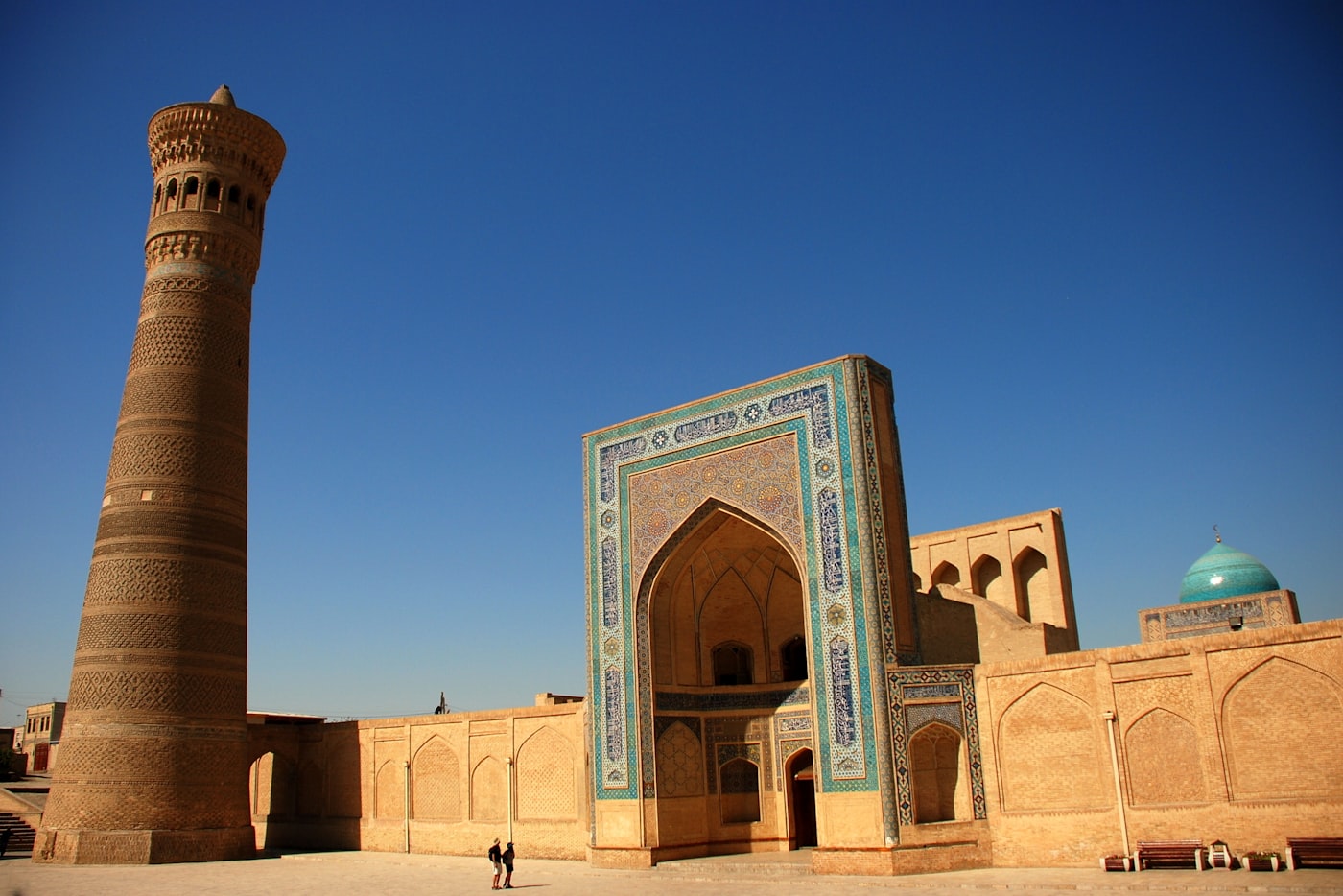
From the turquoise domes of Samarkand to the ancient alleyways of Bukhara, navigating Uzbekistan's wonders is seamless with instant mobile data. A dedicated eSIM for your Central Asian adventure eliminates the hunt for SIM cards at Tashkent International Airport and protects you from shocking roaming bills. Share photos from Registan Square, book a Yandex Go to the Chorsu Bazaar, and translate menus in Khiva's Ichon-Qala—all with reliable, affordable connectivity.
Whether you're tracing the Silk Road for a week or setting up a remote work base in Tashkent City, this guide details how to choose, install, and maximize the best Uzbekistan eSIM for your journey.
📱 🔥 Compare & Get Your Uzbekistan eSIM →
Traditional connectivity methods simply don't match the pace of modern travel through Central Asia. An embedded SIM card delivers digital convenience the moment your flight lands, connecting you to local networks like Ucell or Beeline without a physical swap.
eSIM technology transforms how you get online abroad. Here’s why it’s the preferred choice for exploring the Kyzylkum Desert or the Fergana Valley:
Carrier roaming fees for a day in Uzbekistan can easily surpass the cost of a full-week local eSIM plan. With a prepaid data package, you control your budget, often saving 80% or more. Plans start at just a few dollars, giving you peace of mind as you budget for silk souvenirs instead of surprise mobile charges.
From tourists photographing the Bibi-Khanym Mosque to digital nomads video-calling from a Samarkand co-working space, reliable data is non-negotiable. Business travelers appreciate instant email access upon arrival, while backpackers value the ability to book last-minute hostel stays in Nukus or Termez.
Understanding the local mobile landscape ensures you stay connected from Tashkent's metro to remote mountain trails.
Partnering with leading Uzbek carriers, most eSIM providers deliver excellent 4G LTE coverage where you need it most:
Coverage in very remote desert or mountain areas can be sparse. If your itinerary includes the Nuratau Mountains or deep Karakalpakstan, check your provider's map beforehand.
Urban 4G networks provide more than enough bandwidth for HD video calls, social media updates, and streaming music during long drives. While 5G is emerging in Tashkent, 4G is the widespread standard, perfectly adequate for all travel apps. In rural locales, your phone may switch to 3G, which still supports messaging and map loading.
Need internet on your tablet while sipping tea in a Bukhara chaikhana? Most Uzbekistan eSIM plans allow tethering (hotspot). Just remember that sharing your connection uses data faster, so factor that into your plan choice if you're a remote worker or travel with multiple devices.
Match your data allowance to your trip length and habits for a stress-free experience.
A compact 1-3 GB plan is ideal for focused sightseeing. This covers:
With more time to share your journey, a 5-10 GB plan offers comfort. This accommodates regular social media updates, occasional video calls home, and using translation apps extensively in local markets. If you plan to stream podcasts during road trips across the steppe, lean toward the higher end.
Setting up a base for a month or more? Look for larger plans (10-20 GB) or providers offering renewable, top-up options. This ensures you can work remotely, join daily video meetings, and upload large files without constantly monitoring your data balance. Some plans offer validity periods of 30 or 60 days, perfect for an extended exploration of Central Asia.
💡 Find Your Perfect Uzbekistan Data Plan →
Activation is a simple, digital process. Here’s how to get online quickly.
Most modern, unlocked smartphones support eSIM. Key compatible models include:
Crucial: Your device must be network-unlocked. Contact your home carrier if unsure.
For iPhone (iOS):
For Android (Samsung/Pixel):
Smart habits ensure your connection lasts throughout your adventure.
Navigation apps use about 5-10 MB per hour. Social media browsing can consume 50-100 MB hourly. Video calls are the biggest drain, using 300-500 MB per hour on standard quality. Plan your usage accordingly, especially if you have a smaller data package.
Your eSIM's mobile data connection is more secure than public Wi-Fi networks. For online banking or accessing sensitive work documents, always use your cellular data instead of a hotel or cafe network. Consider adding a VPN for an extra layer of privacy.
If your goal is to immerse yourself in the Registan's majesty or the bustling Siab Bazaar, an eSIM removes connectivity stress. Spend your time marveling at architecture, not figuring out SIM card sizes or roaming plans.
For those working from a laptop in a Tashkent cafe or a guesthouse in the Nuratau range, dependable internet is your office. An eSIM provides a personal, portable hotspot, freeing you from unreliable public Wi-Fi and keeping you productive.
Time is critical. With an eSIM, you're online the moment you clear customs, ready to email clients, confirm meetings in Tashkent City, and navigate to your conference. It's the ultimate tool for efficiency.
How quickly does the eSIM activate?
Typically within 2-5 minutes of scanning your QR code. You can connect to networks like Mobiuz or Ucell before you board your flight or immediately upon landing at any Uzbek airport.
Will my WhatsApp number change?
No. WhatsApp remains linked to your original phone number. Keep your physical SIM active for SMS verification, and use the eSIM purely for data. All your chats and contacts will work normally.
Can I use my phone as a hotspot?
Yes, most plans support tethering. This is ideal for getting your laptop online during a scenic ride on the Afrosiyob train from Bukhara to Samarkand.
Are these eSIMs data-only?
Most travel eSIMs for Uzbekistan are data-focused. For calls and texts, use internet-based apps like WhatsApp, Signal, or Skype over your data connection.
What if I use all my data?
Many providers allow you to purchase a top-up or a new data package online instantly, so you can re-connect even while touring the Fergana Valley.
Can I have multiple eSIM profiles?
Yes. Modern phones can store several eSIMs. You might have one for Uzbekistan and another for a subsequent trip to Kyrgyzstan or Kazakhstan, switching between them as needed.
How long is the plan valid?
Validity varies, commonly 7, 14, or 30 days from activation. Choose a period that covers your entire itinerary, from the Tian Shan foothills to the Aral Sea coast.
How do I check phone compatibility?
Ensure your phone is unlocked and supports the primary LTE bands used in Uzbekistan (e.g., 900 MHz, 1800 MHz). Most phones from 2018 onward are compatible.
Do I need to take out my home SIM card?
No. You can use Dual SIM functionality. Your physical SIM stays in for calls/SMS, while the eSIM handles all your mobile data needs across Uzbekistan.
Which provider is best for Uzbekistan?
Reputable global providers like Airalo, Holafly, and Nomad offer robust coverage via local partners. For the latest prices and specific plan features, comparing options on eSIM Card List is your best bet.
Absolutely. For anyone traveling to this captivating Central Asian nation, an eSIM represents the pinnacle of travel connectivity. It combines upfront cost clarity, remarkable convenience, and reliable performance. Forget the outdated hassles of airport kiosks and the fear of roaming charges.
With a range of plans tailored for every itinerary and budget, getting connected for your journey through the heart of the Silk Road has never been easier or more affordable.
Ready to explore Uzbekistan with confidence?
✈️ 🎯 Get connected before you go.