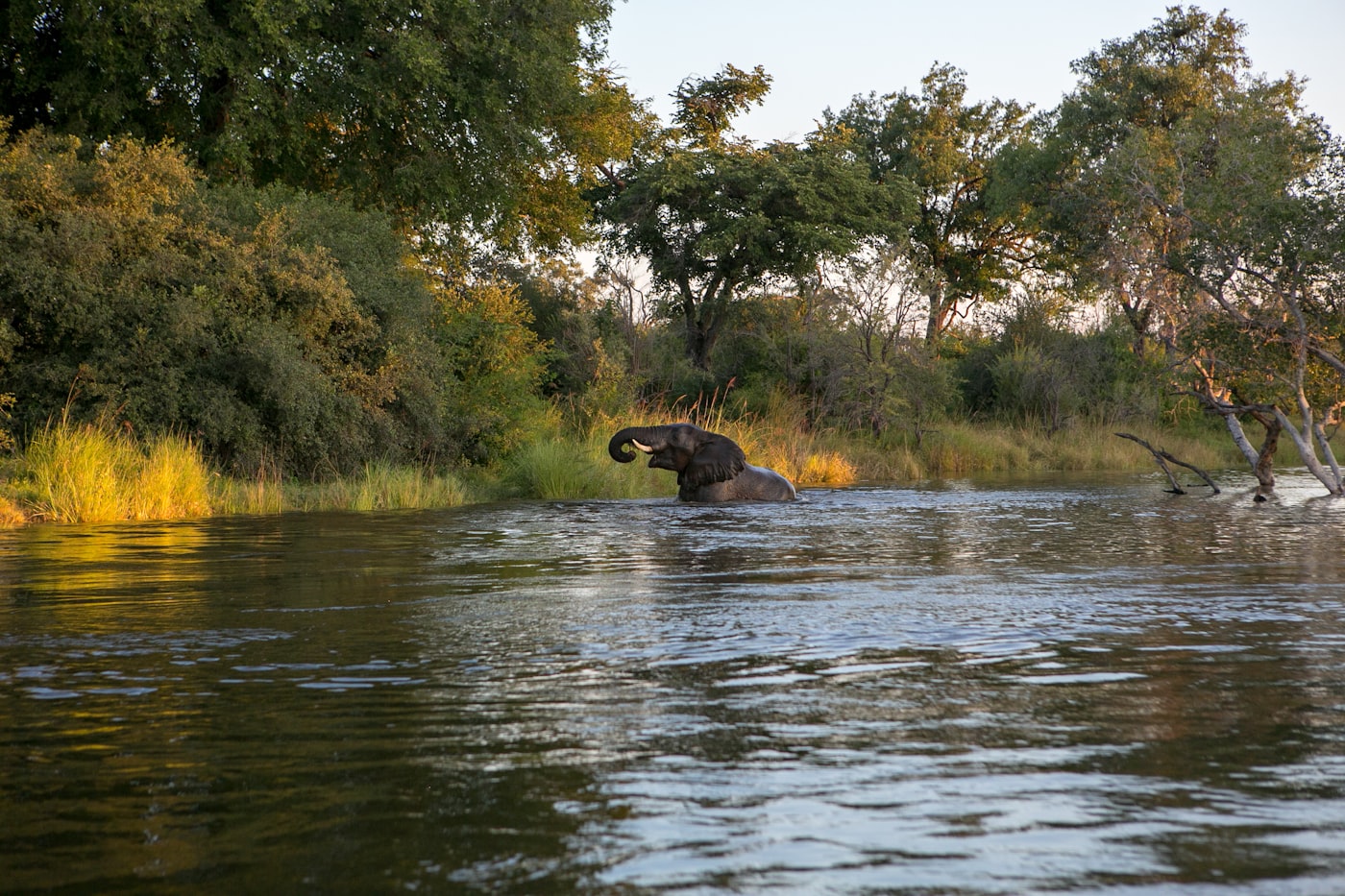
From the thunderous spray of Victoria Falls to the quiet majesty of a walking safari in South Luangwa, a reliable internet connection transforms your journey. A Zambia eSIM delivers instant mobile data the moment you land at Kenneth Kaunda International Airport, eliminating the hunt for a physical SIM card and protecting you from shocking roaming bills.
Whether you're navigating the bustling markets of Lusaka, coordinating a river cruise on the Zambezi, or sharing photos from the Lower Zambezi National Park, having affordable, high-speed data is non-negotiable for the modern traveler. This guide details exactly how to choose and use the best eSIM for your adventure in the Heart of Africa.
📱 🔥 Compare & Activate Your Zambia eSIM →
Gone are the days of fumbling with SIM ejector tools at a crowded airport kiosk. Embedded SIM technology provides a seamless, digital alternative that's perfectly suited to the dynamic nature of travel here.
An eSIM is a tiny chip already in your phone, activated with a simple QR code. This offers distinct advantages for exploring this diverse nation:
Carrier roaming can turn a single day of Google Maps and Instagram use into a $100 expense. A prepaid eSIM for Zambia gives you transparent, upfront pricing, often saving you over 80%. Affordable plans start at just a few dollars, putting you in complete control of your communication budget throughout your safari or city stay.
From the tourist marveling at the Devil's Pool to the business professional in Ndola's industrial hub, reliable data is key. Digital nomads base themselves in Lusaka's cafes, while adventure seekers trek the Shiwa Ng'andu estate—all benefit from the flexibility and reliability of a travel eSIM.
Understanding the connectivity landscape ensures you have realistic expectations from Lusaka to the most remote bush camp.
Partnering with leading local operators, quality eSIM providers deliver robust coverage where you need it most:
Coverage in deep rural and wilderness areas can be limited or non-existent, which is true for any network. Always download essential maps and information for your time off-grid.
In urban centers, you'll enjoy 4G speeds perfect for navigation, social media, and streaming music. While 5G is emerging, widespread 4G is more than adequate for all standard travel tasks. In more remote locales, your phone may drop to 3G, which still supports messaging and basic web searches.
Need to get your laptop online at your safari lodge? Most Zambia eSIM plans allow tethering (hotspot). This lets you share your phone's data connection with tablets or laptops—just remember it consumes data more quickly, so factor that into your plan choice.
Match your data allowance to your travel style to avoid running out or overpaying.
For a 3-5 day trip focused on Victoria Falls or a quick business meeting, a 1-3 GB plan is usually sufficient. This covers:
A typical 7-10 day safari or circuit requires more data, especially if you're sharing your journey. A 5-10 GB plan accommodates moderate social media use, occasional video calls home, and regular navigation as you travel between regions like the Copperbelt and the Luangwa Valley.
Digital nomads or those on month-long assignments should look for larger plans of 10-20 GB or even unlimited options. For stays beyond 30 days, some providers offer renewable plans, allowing easy top-ups without setting up a new eSIM—ideal for a long-term project in Lusaka.
💡 Find Your Perfect Zambia Data Plan →
The process is quick and digital from start to finish.
Most modern, unlocked smartphones support eSIM technology:
Crucially, your device must be unlocked from your home carrier. If unsure, contact them before your trip.
On your iPhone (iOS):
On your Android (Samsung/Pixel):
Smart habits ensure your data lasts from your first day in Lusaka to your final sunset on the river.
Navigation apps use about 5-10 MB per hour. Social media browsing can consume 50-100 MB per hour. Video calls on WhatsApp or Zoom use significantly more—around 300-500 MB per hour. Plan accordingly, especially if you need to join work calls from your lodge.
Your eSIM's mobile data connection is more secure than public Wi-Fi. For online banking or accessing sensitive work documents, always use your cellular data. Consider adding a VPN for an extra layer of privacy on any network.
If your itinerary includes Victoria Falls, a South Luangwa walking safari, and a Lower Zambezi canoe trip, an eSIM removes connectivity stress. Focus on wildlife spotting, not SIM card logistics.
For those basing themselves in Lusaka's coworking spaces or a quiet lodge with a view, reliable data is your office lifeline. An eSIM ensures you're never dependent on spotty hotel Wi-Fi for important client calls or file transfers.
Professionals visiting the mining hubs of the Copperbelt or attending meetings in the capital need instant, dependable access. Land, activate your pre-purchased eSIM, and be online for emails and navigation before you even collect your luggage.
How quickly does a Zambia eSIM activate?
Activation is nearly instant. Once you scan the QR code in your phone settings, you'll connect to a local network like Airtel or MTN within 2-5 minutes.
Can I use my regular WhatsApp number?
Yes. WhatsApp remains tied to your original phone number. Keep your physical SIM active for SMS verification, and use the eSIM for data. Your chats and contacts will work normally.
Is mobile hotspot/tethering supported?
Most plans for Zambia support this feature, allowing you to share your data connection with a laptop or tablet at your hotel or camp. Be mindful of higher data consumption.
Can I make traditional phone calls with an eSIM?
Most travel eSIMs are data-only. You can make calls over the internet using apps like WhatsApp, FaceTime, Skype, or Zoom using your data allowance.
What if I use all my data before my trip ends?
You can usually purchase a top-up or a new data plan online from the same provider. Some eSIMs are rechargeable, making it easy to add more gigabytes as needed.
Can I store an eSIM for Zambia and other countries?
Modern phones can store multiple eSIM profiles. You can have plans for Zambia, Zimbabwe, and Botswana ready to activate as you cross borders, though typically only one can be active at a time alongside your physical SIM.
How long is an eSIM plan valid?
Validity periods vary. Common options are 7, 14, or 30 days, starting from the moment you first connect to the Zambian network. Choose one that matches your trip length.
How do I confirm my phone is compatible?
Check your phone's specifications online or in your settings menu for "eSIM" or "Digital SIM" support. Most unlocked iPhones from XS onward and Android flagships from 2020 support it.
Should I take out my home SIM card?
No. The ideal setup is to keep your physical SIM in the phone for calls/SMS and use the eSIM for data. This dual-SIM functionality lets you receive important bank codes while enjoying cheap local data.
Which eSIM provider is best for Zambia?
The "best" depends on your specific needs for coverage, data amount, and price. We recommend using a comparison site like eSIM Card List to evaluate options from top-rated providers side-by-side for your itinerary.
For virtually any traveler heading to this magnificent country, the answer is a resounding yes. The convenience of digital activation, the dramatic cost savings over roaming, and the reliability of local network coverage make an eSIM an indispensable travel tool.
It simplifies your arrival, empowers your exploration, and provides peace of mind. Whether you're tracking leopards in South Luangwa or closing a deal in Lusaka, staying connected should be the least of your worries.
Ready to explore Zambia with seamless connectivity? View all available plans, compare prices and features, and secure your eSIM in minutes.
✈️ 🎯 Ready to stay connected?