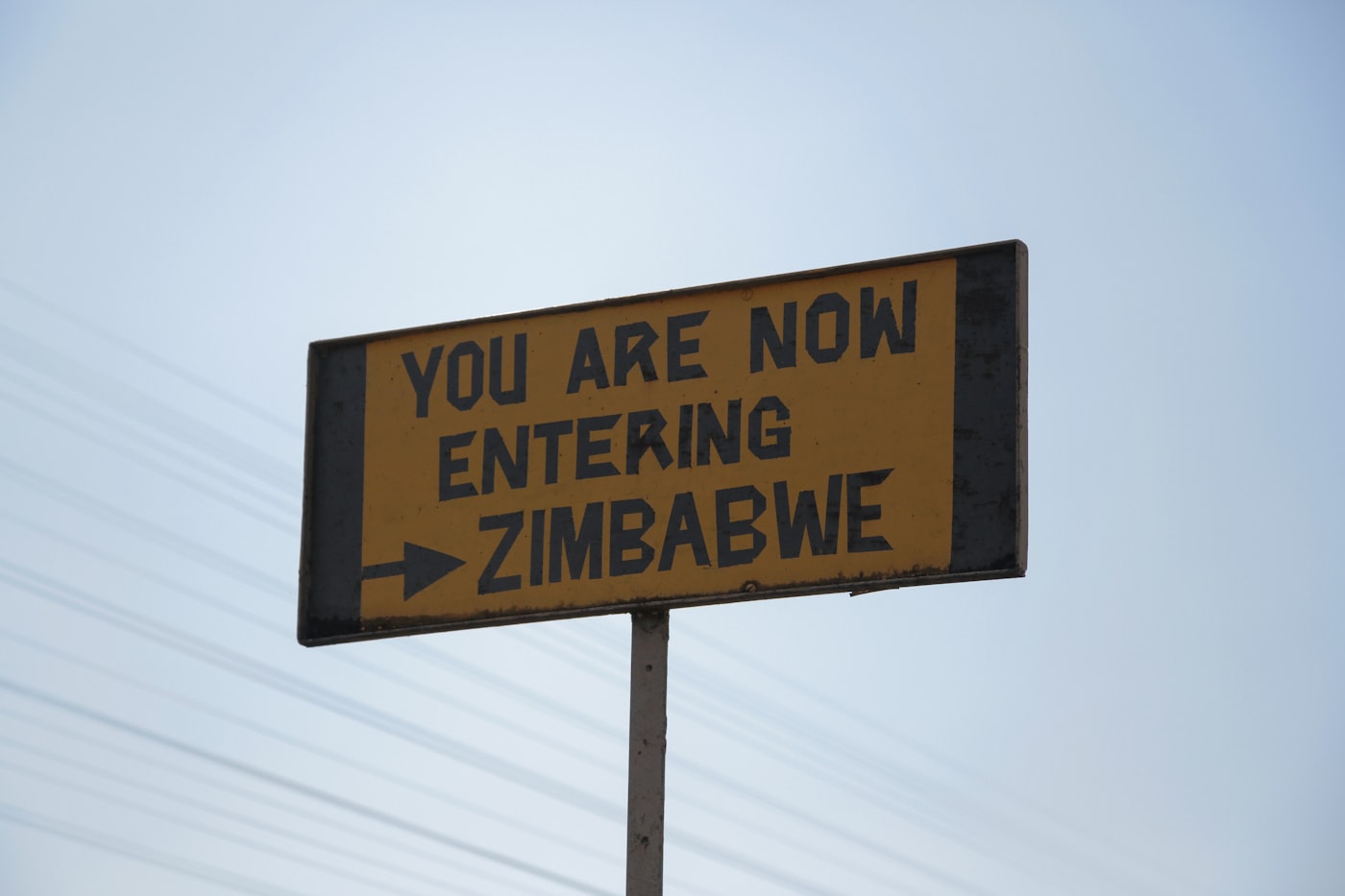
From the thunderous spray of Victoria Falls to the ancient stones of Great Zimbabwe, a reliable internet connection transforms your journey. A Zimbabwe eSIM delivers instant 4G data the moment you land at Robert Mugabe International Airport, eliminating the hunt for a SIM vendor and shielding you from outrageous roaming fees. Whether you're tracking wildlife in Hwange National Park or navigating the vibrant streets of Bulawayo, stay online effortlessly.
This guide cuts through the confusion, showing you exactly how to choose, set up, and use the best eSIM for your adventure in the Heart of Africa. Get ready to share safari photos, navigate with Google Maps, and book last-minute tours—all on affordable, high-speed local networks.
📱 🔥 Compare & Buy Your Zimbabwe eSIM Now →
Gone are the days of fumbling with paperclips at airport kiosks. An embedded SIM (eSIM) is a digital profile that connects you to local carriers like Econet Wireless and NetOne with a simple QR code scan. It's the modern solution for travelers who value their time and budget.
Why are savvy travelers ditching traditional methods? The advantages are clear:
This isn't just for techies. A Zimbabwe eSIM is ideal for tourists capturing moments at the Balancing Rocks, digital nomads working from cafes in Harare's Avondale suburb, and business travelers needing reliable video calls in Bulawayo's industrial hubs. It simplifies connectivity for everyone.
Understanding the local mobile landscape ensures you have realistic expectations and can plan your online activities accordingly.
You can expect excellent connectivity in areas most travelers visit. Leading eSIM providers partner with Zimbabwe's top networks to offer robust coverage in:
Coverage in very remote safari areas or deep within national parks can be limited or non-existent. Always download offline maps and crucial information before heading off-grid.
In covered areas, 4G speeds are more than sufficient for all standard travel needs: streaming navigation, video calls back home, uploading safari photos to Instagram, and browsing the web. While 5G is emerging in Harare's city center, 4G is the reliable workhorse for the entire country.
Most Zimbabwe eSIM plans fully support tethering. This means you can share your mobile data with a laptop in your Harare hotel or a tablet at your safari lodge—incredibly useful for remote workers or families traveling together. Just remember, hotspot use consumes data faster.
Select a plan based on your trip length, destinations, and online habits. Here’s a straightforward guide.
For a quick visit focused on Victoria Falls or a business conference in the capital, a 1-3 GB plan is usually perfect. This covers:
Look for plans with 7-day validity for the best value on short getaways.
Exploring multiple regions—like combining Harare, Great Zimbabwe, and the Eastern Highlands—calls for more data. A 5-10 GB plan over 15-30 days offers comfortable breathing room for:
If you're settling into a neighborhood in Harare or Bulawayo for a month or more, consider larger plans (10-20 GB) or providers that allow easy top-ups. This ensures you can work remotely, stream entertainment, and stay connected without constantly monitoring data.
💡 Find Your Perfect Zimbabwe Data Plan →
The process is quick and digital. Follow these steps for a smooth activation.
Most modern, unlocked smartphones support eSIM. Key compatible models include:
Crucial: Your phone must be network unlocked. Contact your home carrier if unsure.
On iPhone (iOS):
On Android (Samsung/Pixel):
Stretch your gigabytes further and travel smarter with these practical strategies.
Your eSIM data works with all apps. Use WhatsApp for free calls/texts to other users, Google Maps for navigation (~5MB/hour), and Vaya or Hwindi for local transport. For secure browsing on public networks, consider using a trusted VPN.
Can I make phone calls with a Zimbabwe eSIM?
Most travel eSIMs are data-only. You can make calls using internet-based apps like WhatsApp, FaceTime, or Skype over your data connection. Keep your physical SIM in for traditional calls/SMS.
What if I run out of data during my trip?
You can usually purchase a top-up data package online from your provider. Some eSIMs are rechargeable, allowing you to add more GB without changing your profile.
How long does it take to activate the eSIM?
Activation via QR code is instant. The entire setup process takes 2-5 minutes. We recommend doing it before departure for peace of mind.
Can I use the same eSIM in Zambia or South Africa too?
Most plans are country-specific. However, many providers offer regional "Southern Africa" plans that include Zimbabwe and its neighbors—perfect for a multi-country safari.
Do I need to remove my home SIM card?
No! This is the beauty of dual-SIM. Keep your home SIM inserted. You can set your phone to use the eSIM for data while your home SIM handles calls and texts.
What's the typical validity period for a plan?
Plans commonly last 7, 15, or 30 days from activation. Choose one that matches your itinerary length across the country.
Is the coverage good on safari in Hwange?
Coverage is generally good at main camps and lodges in Hwange. However, once you're out on game drives in remote sectors, signal will drop. Plan accordingly.
How do I find the best eSIM provider for Zimbabwe?
Compare prices, data allowances, validity periods, and network partners (like Econet) on a trusted comparison site like eSIM Card List to find the optimal deal for your specific journey.
An eSIM is more than just a data plan; it's a tool for a smoother, more immersive travel experience. Forget about connectivity hassles and focus on what matters—marvelling at the world's largest waterfall, witnessing a herd of elephants at a waterhole, or discovering the history of an ancient kingdom.
With upfront costs, massive savings over roaming, and instant activation, getting a Zimbabwe eSIM is one of the easiest and smartest pre-trip preparations you can make.
✈️ 🎯 Ready to stay connected?